

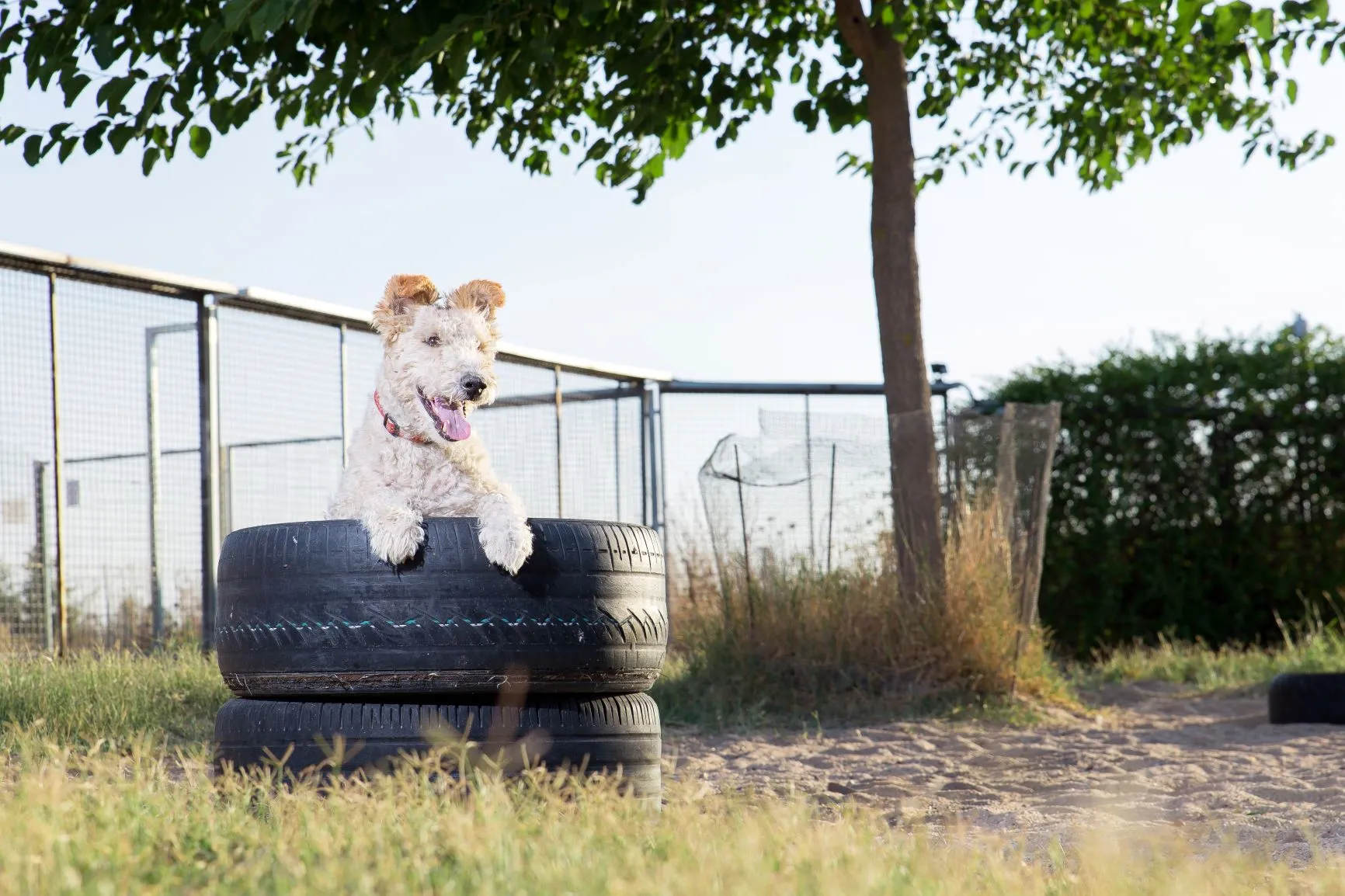
At the heart of the National Association of Friends of Animals (ANAA) is Pilar del Cañizo, a dedicated volunteer who has devoted her time and effort to rescuing and caring for abandoned animals. Founded in 1992 by a group of young people moved by the situation of animals, ANAA has evolved from a small farm in San Agustín del Guadalix to become one of Spain’s pioneering organizations in animal welfare, with more than 2,000 animals rescued.
On the occasion of World Animal Day, Freedog wanted to interview the National Association of Friends of Animals to learn what has changed recently in the work of shelters, what their strengths are, and where they need the most support.
Interview with ANAA
What is the main mission of your shelter/rescue, and what is your day-to-day like?
ANAA’s main mission is to rescue, rehabilitate, and rehome abandoned or abused animals with responsible families. Our day-to-day work is intense, as we not only care for the animals, but also manage new arrivals, veterinary treatments, adoption processes, and ongoing public education to prevent abandonment.
What challenges does your shelter face when it comes to adopting companion animals?
One of the biggest challenges is caring for the large number of animals that need to be rescued and finding them a home. It is also crucial to ensure that adopters understand the commitment adoption requires, as they often do not consider the time and resources involved.
How has the adoption rate changed in recent years?
We have seen a decline in adoptions despite awareness campaigns, due to economic factors. While there is greater awareness of the importance of adopting, it is still not enough to balance the number of animals that need a home.
Has the pandemic affected abandonment and adoption rates?
Yes, the pandemic had a significant impact. Initially, there was an increase in adoptions, but we have also seen a rise in abandonments once restrictions were lifted and people returned to their routines.
What qualities do you look for in people who want to adopt a companion animal?
We look for adopters who understand that adoption is a long-term commitment. It is essential that they are willing to provide a safe home and the necessary veterinary care, as well as time and dedication.
What is the procedure for adopting a companion animal?
The first step is to book an appointment to visit the center. During the visit, we conduct an interview to understand the family environment and expectations. Then we help choose the animal that best fits their lifestyle. Once the process is approved, the animal is handed over with all health guarantees.
Could you share a recent adoption success story?
A touching case is Enebra, a dog considered “potentially dangerous.” Although the adopters were looking for a small dog, she won them over immediately. She now lives happily with her family, and her best friend is a chihuahua. This case shows that prejudice about certain breeds can be overcome when they are given a chance.
How has the collaboration with Freedog helped your organization?
The collaboration with Freedog has been essential. Thanks to their support, we have improved conditions for the animals in our care, and their visibility has helped us reach more adopters and collaborators.
What type of donations or support is most needed at your shelter right now?
At the moment, we need monetary donations to cover veterinary and maintenance costs. We also value donations of quality food, medication, and medical supplies. We are always open to welcoming volunteers and adopters who can give rescued animals the life they deserve.
What impact does support from companies like Freedog have on the well-being of the animals you care for?
Support from companies like Freedog has a direct impact on the animals’ quality of life. It allows us to provide better care, improve our facilities, and give visibility to our work, increasing adoption rates.
How is your shelter preparing for World Day for Companion Animals?
We are organizing a special social media campaign to raise awareness about the importance of adoption and respect for animals.
What message would you like to share on World Animal Day?
Adoption is an opportunity to change lives. Not only do we improve the life of a disadvantaged animal, we also enrich our own. There are thousands of animals who deserve a second chance.
What can people do if they can’t adopt but still want to help?
If you can’t adopt, there are many ways to help. You can donate, volunteer, sponsor an animal, or share our social media posts to give visibility to animals looking for a home.
At Freedog, we believe that ANAA’s work, guided by the dedication of volunteers like Pilar, is a beacon of hope for many animals in need. Education about responsible adoption and the community’s commitment are essential to continue changing lives. By considering adoption or supporting ANAA’s cause, we can all help build a more compassionate future for our four-legged friends.