

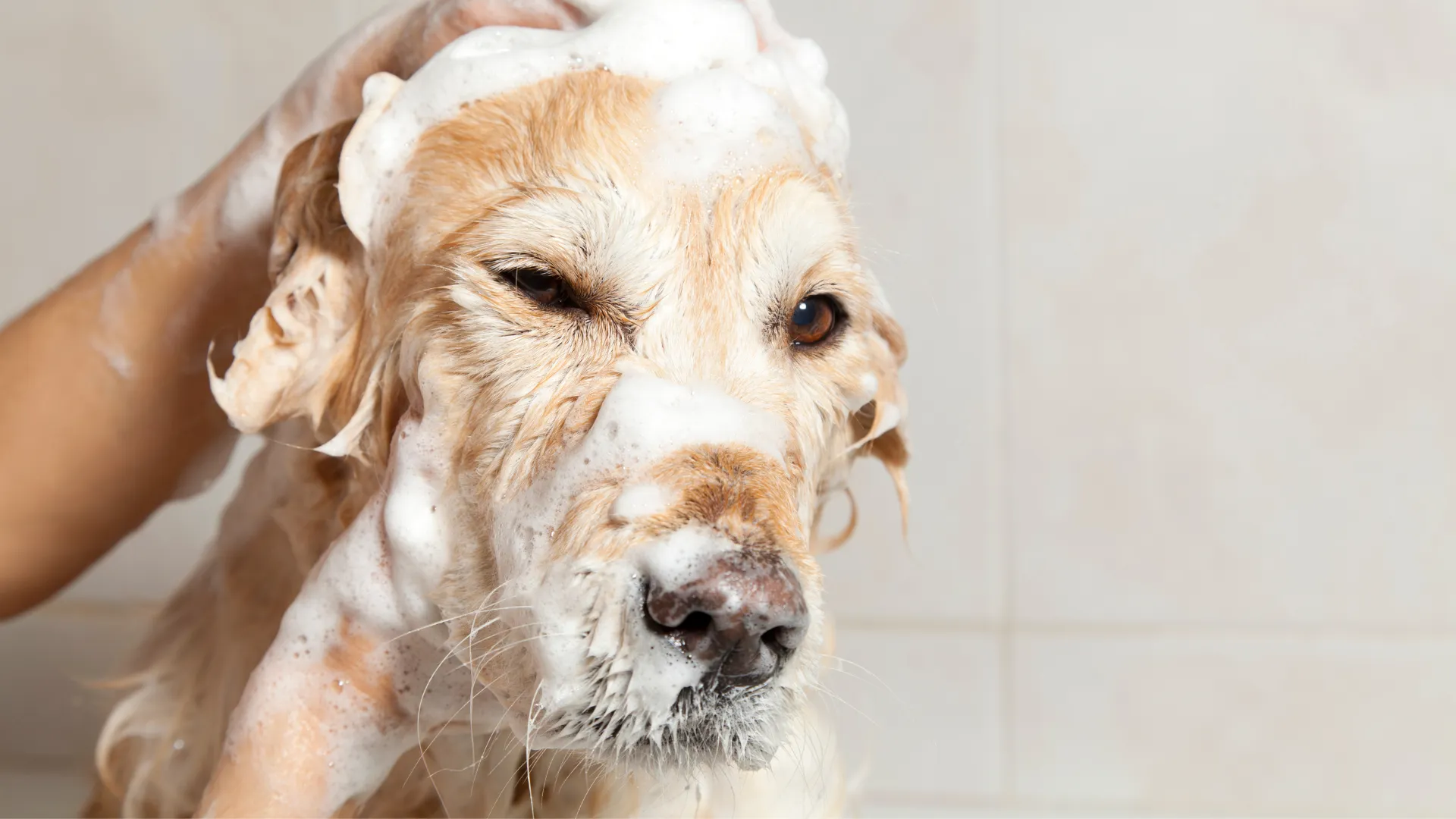
Bathing our dogs and cats: Benefits of hygiene
- Removal of dirt and bad odors: Bathing our pets can help remove dust, dirt, and unpleasant odors that may accumulate in their coat. This is especially useful for dogs that enjoy outdoor activities or cats that may bring dirt or hunting remains into the house.
- Parasite control: Regular baths can help keep fleas and ticks under control, especially when suitable antiparasitic products are used during bathing.
- Promoting skin health: Proper bathing with products specifically designed for pets can help relieve irritation and keep your pet’s skin in optimal condition.
- Emotional bonding: Bath time can be a bonding activity between owner and pet, strengthening trust and the connection between both.
- Preparation for veterinary visits: Getting your pet used to bathing from an early age can make future veterinary visits or situations where bathing is required for medical reasons easier.

Why some oppose frequent bathing:
- Removal of natural oils: Frequent bathing can strip away the natural oils in your pet’s skin and coat, potentially leading to dryness or skin irritation.
- pH imbalance: Products used during bathing can affect the natural pH of your pet’s skin, which may increase susceptibility to infections.
- Stress for the pet: Some dogs and cats may feel stressed or uncomfortable during baths, especially if they are not used to this routine.
- Allergies or product sensitivity: Some pets may have allergic reactions or sensitivities to ingredients found in bathing products.

The key: Balance and individuality
Ultimately, there is no single definitive answer for everyone. Each pet is unique and may have different needs and tolerances. Here are some general guidelines to help you make an informed decision:
- Frequency: In general, dogs need to be bathed less frequently than cats, as they tend to stay cleaner on their own. For dogs, bathing every 4 to 6 weeks is usually sufficient, unless they have skin issues or get dirty often.
- Appropriate products: Use products specifically designed for pets, as they respect the pH and physiology of their skin. Consult your veterinarian if you are unsure which products are best for your pet.
- Skin and coat care: Pay attention to your pet’s skin and coat. If you notice dryness, irritation, or any unusual changes, consult your veterinarian.
- Respect your pet’s comfort: If you notice that your pet dislikes bathing or becomes very stressed, you may be able to space out baths or look for dry-cleaning alternatives.

In summary, bathing our pets can be an important part of their care and hygiene, but it should not be excessive. Consider your pet’s individual needs and aim for the right balance between maintaining hygiene and respecting their well-being and health. A happy and healthy pet is the result of a compassionate and mindful approach to care.